



Growing teams
Staff and freelancers who can create on-brand posts, slides and documents without asking the founder each time.
Omebly PDF Tools
Edit PDFRotate PDFHeader and footerBates numberingResize PDFEdit metadataPDF bookmarksAdd page numbersAdd watermarkCrop PDFCreate PDF formFill PDF formsMerge PDFSplit PDFRemove pagesExtract pagesOrganise PDFPages per sheetScan to PDFBatch PDFCompress PDFGrayscale PDFOptimise for webRemove commentsRepair PDFOCR PDFJPG to PDFPNG to PDFText to PDFMarkdown to PDFEPUB to PDFWord to PDFPowerPoint to PDFExcel to PDFHTML to PDFPDF to JPGPDF to PNGPDF to TextExtract imagesPDF to EPUBPDF to WordPDF to PowerPointPDF to ExcelPDF to PDF/AUnlock PDFProtect PDFSign PDFFlatten PDFRedact PDFCompare PDFAI SummarizerTranslate PDFChat with PDFPDF to MarkdownA brand book your team, printers and agencies can follow, so your brand looks the same everywhere it appears.
From $2,000 one-time
Staff and freelancers who can create on-brand posts, slides and documents without asking the founder each time.
One reference that keeps the website, ads, packaging and print consistent.
Clear rules from launch day, before inconsistent versions start to spread.
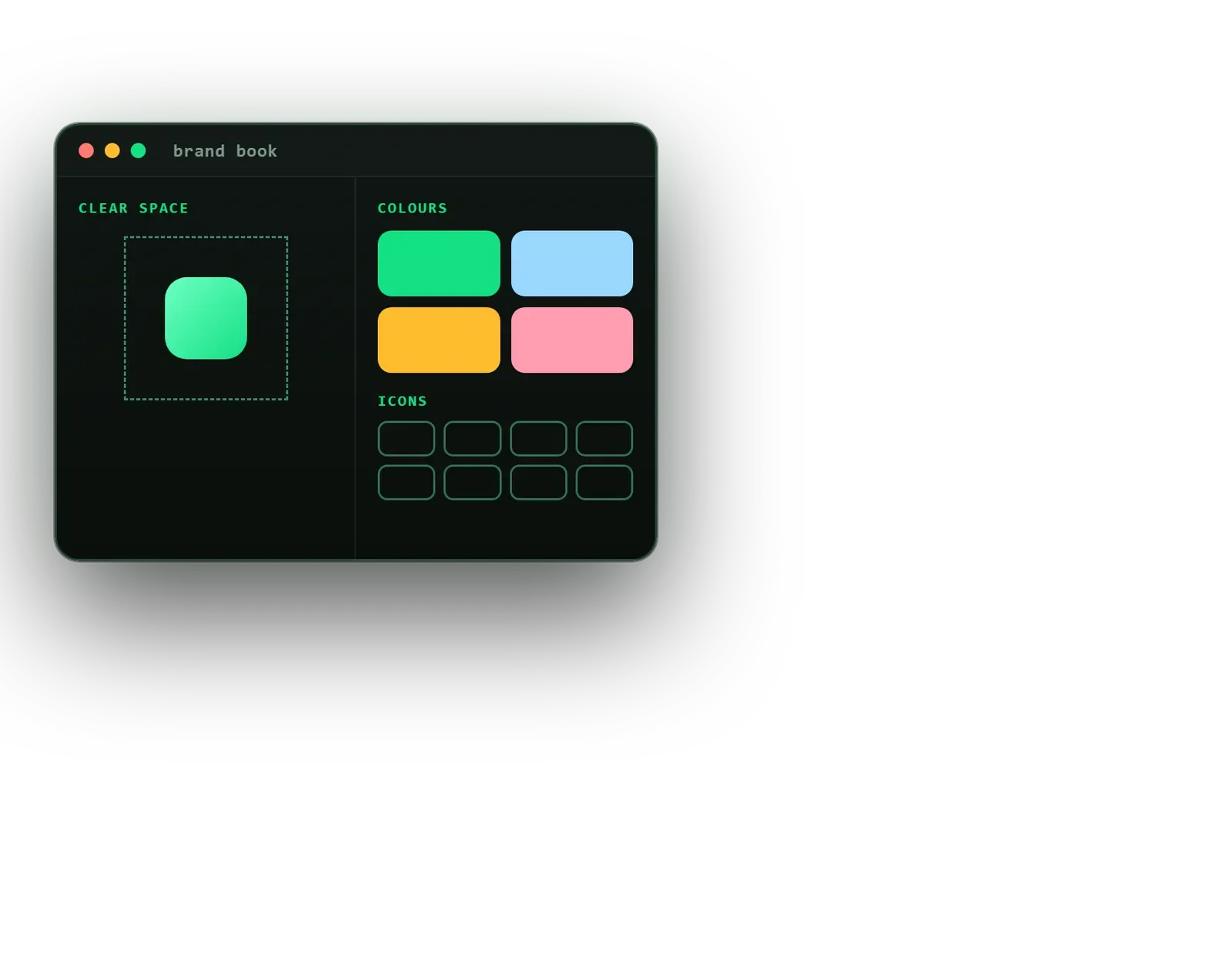
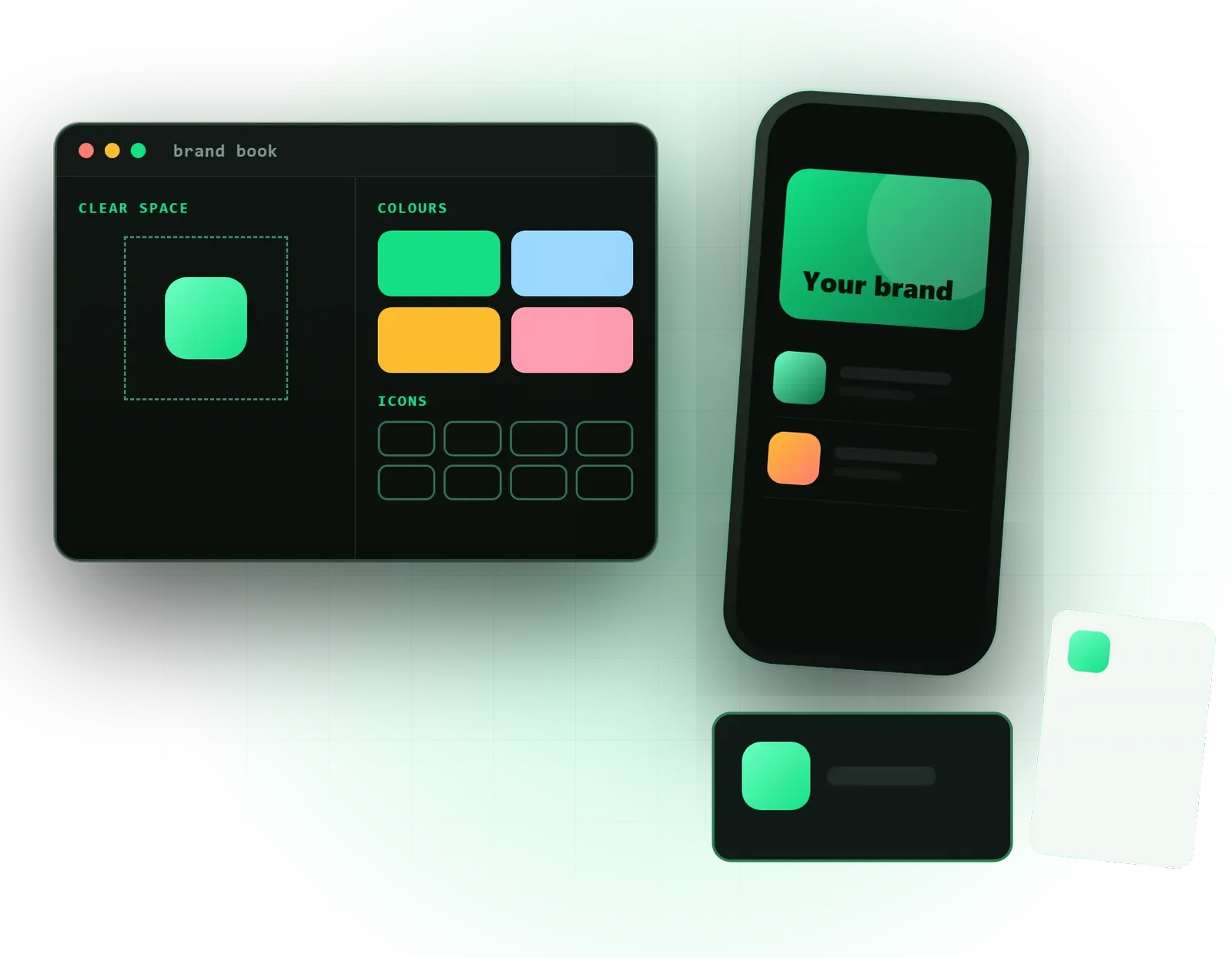
Clear space, minimum sizes, approved versions, backgrounds and examples of incorrect use.
HEX, RGB, CMYK and Pantone values, with proportions and accessible text combinations.
Typefaces, weights, sizes and hierarchy for headings, body text and captions.
A set of icons and brand patterns drawn in one consistent style.
What photos and illustrations should look like, with do and don't examples.
Examples for website, app, email and social media layouts.
Stationery, signage and packaging examples with print notes.
A 30 to 60 page manual with clickable contents, plus a print-ready version.
All logos, icons, patterns and templates in clearly named folders.
A brand looks consistent for one reason: everyone who touches it follows the same rules. Without them, the logo gets stretched, colours drift between the website and the printer, and every new freelancer picks their own fonts. Omebly’s brand guidelines design service creates a clear brand book, usually 30 to 60 pages, that shows your team, printers and agencies exactly how to use your identity, with examples rather than jargon.
We write guidelines for growing teams, businesses that work with several agencies, and brands launching a new or refreshed identity. You receive an interactive PDF for everyday use and a print-ready version, plus an organised library of every file. Brand guidelines are part of Omebly’s brand building service.
You probably need guidelines if any of these sound familiar:
Logo rules. Approved versions, clear space around the logo, minimum sizes for screen and print, which backgrounds each version can sit on, and a page of incorrect uses: stretched, recoloured, outlined, rotated or crowded. These pages prevent most everyday brand mistakes.
Every colour with its HEX and RGB values for screens and CMYK and Pantone values for print, so the website and the printed brochure match as closely as the materials allow. We also set proportions, such as which colour leads and which is used sparingly, and show which text and background pairings are readable.
Your typefaces, the weights to use, and a hierarchy for headings, subheadings, body text, captions and buttons. We also name fallback fonts for situations where your brand fonts are not available, such as email or shared documents.
A set of vector icons drawn in one style, with rules for line weight, corners and sizing, plus brand patterns or graphic devices for backgrounds and packaging.
What photography should feel like, including light, subjects and framing, and how illustrations should be drawn, with do and don’t examples.
Worked examples of the brand on a website, app screens, social posts, email, business cards, letterheads, signage and packaging. These show people how the rules combine in real layouts. For ready-made editable files, see our marketing and investor kits.
Start with how the brand is used. Before writing rules, we ask who creates materials, in which tools and for which channels. A business that mainly posts on social media needs different examples from one that prints packaging. The guide is shaped around real use.
Every rule is illustrated. A page saying “leave space around the logo” is far less useful than a diagram with the exact clear space and three examples of getting it wrong.
Most people reading the guide will not be designers. We use plain words, avoid jargon and put the most-needed pages, such as logo files, colours and fonts, at the front.
We check colour pairings against the contrast levels in the Web Content Accessibility Guidelines and set minimum text sizes, so materials stay readable for more people.
Rules that are too strict get ignored. We define what must never change, such as the logo and core colours, and where people have freedom, such as layout and imagery choices.
On larger projects we finish with a short call for the people who will use the guide most, showing where everything is and answering their questions. A guide that people have seen explained is far more likely to be used.
The interactive PDF has clickable contents and links to the asset folders. You also receive the editable InDesign and Illustrator source files, so the guide can grow with the brand.
If your guidelines need a verbal section, our tone of voice and messaging service adds voice principles, a messaging framework and copywriting rules.
Your fixed written quote sets the timeline after the free consultation. The main factors are:
Starting prices for brand projects are shown on the parent service page.
Every project is led by our founder, Nazmul Hussain, who has 10+ years building websites, apps and digital products, so the digital rules in your guide reflect how websites and apps are really built. You receive a fixed written quote within 48 hours, weekly section reviews and milestone payments released only after you review each stage. Once fully paid, the guide, source files and assets we create are yours, and an NDA is available on request.
Need a brand book your team will follow? Message us on WhatsApp at +91 70444 33991 or book a free consultation.
We review your current identity and where it is used, then send a fixed written quote.
The sections, examples and templates the guide needs, agreed with you.
Colour, type, icons, patterns and imagery rules developed and tested on real layouts.
The brand book laid out and reviewed section by section each week.
Interactive PDF, print PDF, asset library and a walkthrough call for your team.
From $2,000 one-time. Every project gets a fixed written quote after a free consultation, with milestone payments.
From $2,000
Fixed quote
Fixed quote
| Omebly | A logo file and a colour code | |
|---|---|---|
| Logo use | Clear space, sizes and backgrounds defined | Stretched, recoloured or crowded logos |
| Colour | Exact values for screen and print, with proportions | Slightly different shades everywhere |
| Type | Set hierarchy for every kind of document | Whatever font is installed |
| New staff and agencies | Can produce on-brand work on their own | Need constant checking |
| Imagery | Clear direction with examples | Random stock photos |
| Consistency over time | One reference everyone works from | The brand drifts with each new supplier |
Most brand books are opened once and forgotten. Here's a practical 30-day plan to launch your guidelines, make the right thing the easy thing, and keep the brand consistent.
A beginner's guide to brand strategy: what it is, how positioning, identity and voice fit together, and a practical plan to learn it with real projects.
The same message can sound warm, expert or playful. Here are tone of voice examples for real business moments, and a simple method to define a voice your whole team can write in.
People use the terms loosely. A short style guide usually covers logo, colours and fonts. A full brand book adds icons, patterns, imagery, layouts and worked examples across digital and print, often over 30 to 60 pages. We recommend the depth based on how many people and suppliers create materials for your brand.
Yes. We start by collecting the original files and checking them. If the logo has problems, such as poor vector quality or no small-size version, we tell you and can redraw or tidy it while keeping the design. Then we build the colour, type and usage rules around it.
Some brand colour combinations are hard to read, especially for people with low vision or colour blindness. We check text and background pairings against the contrast levels recommended in the Web Content Accessibility Guidelines and mark which ones are safe for body text, headings or decoration only, so your website and documents stay readable.
Yes. The interactive PDF opens in any PDF reader, and each rule is shown with examples rather than technical jargon. If your team creates content in tools like Canva, Google Slides or PowerPoint, we can add templates for those tools so people start from an on-brand layout.
You receive the editable source files along with the PDFs, so your designer can add pages as the brand grows. Most businesses review their guidelines once a year or when they launch a new product, website or market. Omebly can quote for updates as small fixed jobs whenever you need them.
A brand book can include a short section on voice, such as a few principles and example phrases. A full verbal identity, with a tone spectrum, messaging framework, taglines and a copywriting guide, is a separate piece of work covered by our tone of voice and messaging service, and the two fit together in one document.
Tell us what you have in mind. You get a free consultation and a fixed quote within 48 hours.
Prefer email? info@omebly.com